Why Mold Guide Component Maintenance Matters
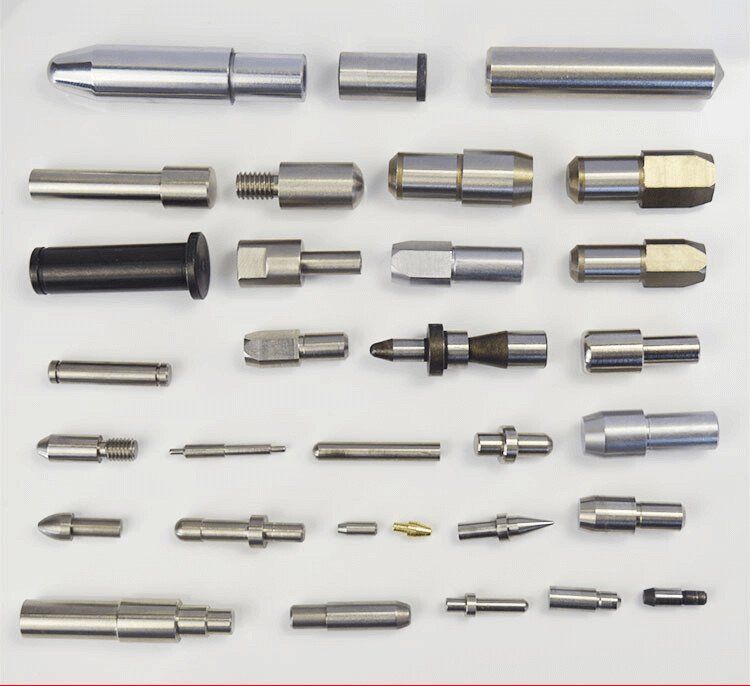
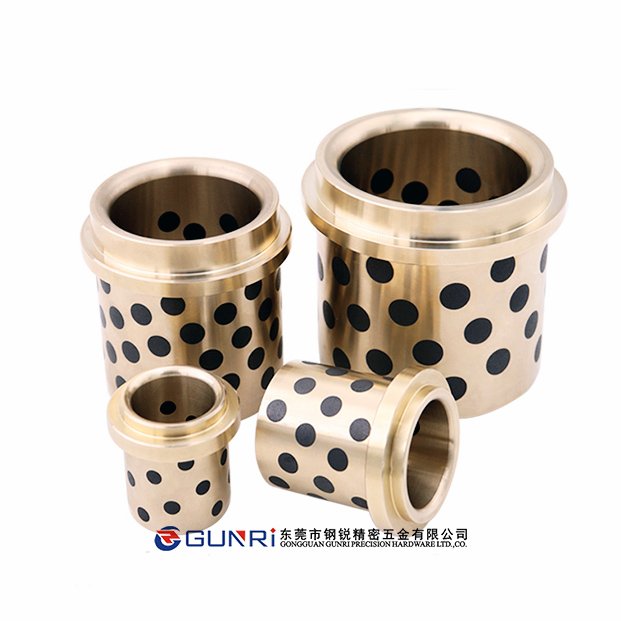
Guide pins, guide bushes, and ball cages are the unsung heroes of injection molds and stamping dies. They work under constant friction, heat, and contamination, yet most mold maintenance programs neglect them until something goes wrong. A worn guide pin doesn’t just fail silently—it produces out-of-tolerance parts, accelerates cavity wear, and leads to unplanned downtime that can cost thousands per hour.
Based on field data from over 200 mold maintenance programs, here are five actionable tips that will double the service life of your guide components.
1. Lubricate by Schedule, Not by Feel
The number-one cause of premature guide component failure is inadequate or inconsistent lubrication. Yet most shops lubricate “when someone remembers” rather than on a fixed schedule.
Recommended schedule
| Duty cycle | Lubrication interval | Lubricant type |
|---|---|---|
| Light (<5K cycles/week) | Every 10,000 cycles | ISO VG 68 way oil |
| Medium (5K–20K/week) | Every 5,000 cycles | EP lithium grease NLGI 2 |
| Heavy (>20K/week) | Every 1,000 cycles | High-temp synthetic grease |
Pro tip: attach a cycle counter to each mold base and trigger a PM work order at the interval. This removes human forgetfulness from the equation.
2. Measure Clearance, Not Just Visual Wear
Visual inspection catches rust, scoring, and galling, but by the time you see those, the component is already compromised. The earlier indicator is clearance drift.
Use a bore gauge and micrometer to measure the actual clearance between guide pin and bush every 50,000 cycles. Record the readings. When clearance increases by more than 0.02mm from the as-new value, schedule replacement—don’t wait for visible damage.
3. Keep Contaminants Out with Proper Wiper Rings
In a typical injection molding environment, airborne dust, flash, and mold release agent accumulate on guide pins and get dragged into the bush on every cycle. This acts as lapping compound, accelerating wear 3–5x.
Fit wiper rings or felt seals to the guide bush entry if your mold doesn’t already have them. Replace wipers annually or whenever they show hardening or cracking. The cost of a wiper ring ($2–$5) versus a guide pin ($15–$50) makes this an easy ROI decision.
4. Rotate and Swap on High-Cavitation Molds
On multi-cavitation molds, the guide pins nearest the injection point experience more thermal cycling and side-loading. These wear faster than pins at the far end.
At every major mold refurbishment, rotate the guide pins and bushes between positions to equalize wear across all components. This simple step can extend the set’s overall service life by 30–40% before any single component needs replacement.
5. Store Molds with Guide Pins Protected
How a mold is stored between production runs is often overlooked but critically important. When a mold sits on the shop floor with guide pins exposed, airborne moisture and debris settle on the precision-ground surfaces.
- Always apply a thin coat of rust-preventive oil before storage
- Keep molds on racking, not the floor—elevated racks reduce exposure to sweeping dust and coolant mist
- Use protective caps or cling wrap on exposed guide pins
- Store at stable temperature (20–25°C) to minimize condensation
Putting It All Together
Implement these five practices and you can expect:
- 2–3x longer guide component life
- 50–70% reduction in unscheduled downtime related to guide wear
- Consistent part quality over longer production runs
Need replacement guide pins or bushes for your next mold refurbishment? Contact our team for same-day quoting on standard sizes.